
Biogas, Biomass & Biofuels
Explore the pros and cons of bioenergy in the renewable energy transition. Is it a genuine green alternative, or just clever greenwashing?
➡️ BIOMASS, BIOGAS & BIOFUELS – A Green Alternative or Just More Greenwashing?
Bioenergy is a form of renewable energy derived from biological materials, including plant materials, animal waste, and wood. It plays a crucial role in the energy sector and, if managed carefully, can be a sustainable alternative to fossil fuels.
Processes such as combustion, fermentation, and anaerobic digestion convert biomass into useful forms of energy such as fuel, gas, and electricity. As the efficiency of bioenergy improves and technology advances, bioenergy is being hailed by many as the answer to net-zero climate goals.
Jump straight to our categories on ➡️ Bioenergy
Explore our comprehensive resources on -
Accounting for 55% of the global renewable energy supply, bioenergy is the largest source of renewable energy. It currently provides around 3% of the global energy supply.
Since biomass material is derived from replenishable plant and animal matter, this form of energy is technically renewable. However, it isn’t exactly the most environmentally friendly option.
Whether we should invest heavily in bioenergy as a sustainable, clean alternative to fossil fuels is the subject of intense debate.
Biomass Explained
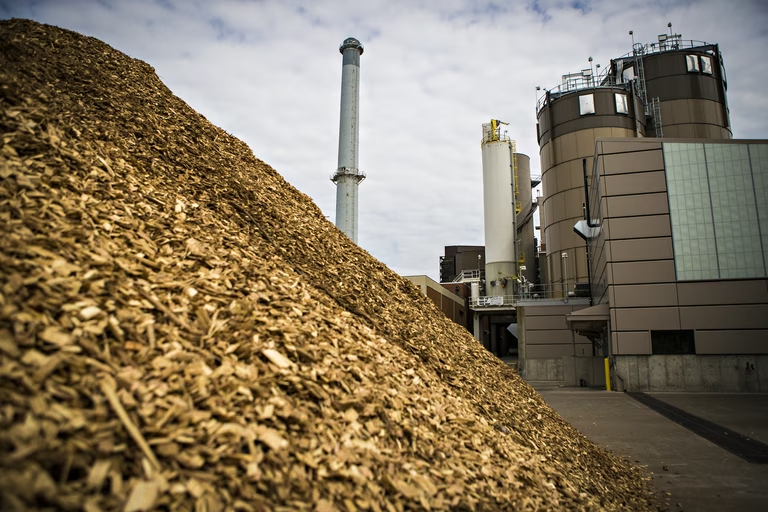
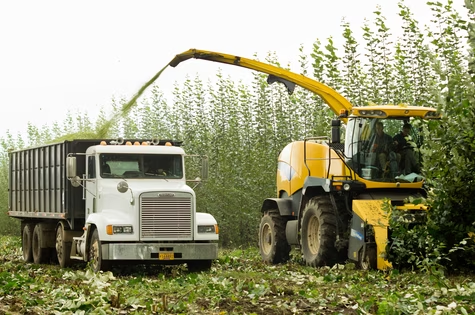
Biomass is typically the primary form of biofuel. For as long as humans have been burning wood to heat their food and homes, they have been using biomass fuel. The main sources of biomass are plant materials, wood, and agricultural crops.
Wood chips from lumber mills and agricultural leftovers like corn stalks and wheat straw are significant contributors and a great way to make use of byproducts. Algae and other aquatic plants are emerging as potentially important biomass materials due to their rapid growth rates and high yield per acre.
Biomass is converted into energy through combustion, gasification, and anaerobic digestion. Its effects on the environment can be both detrimental and beneficial.
The main positive is that bioenergy can help us reduce our dependence on fossil fuels and lower greenhouse gas emissions. It can, however, result in large-scale deforestation, loss of biodiversity, and air pollution due to the combustion process.
Its sustainability depends heavily on how biomass is sourced, managed, and processed.
The role of biomass is particularly significant in rural areas and developing countries, where burning wood for heating and cooking is often the most readily available and least expensive source of energy.
Biogas Explained
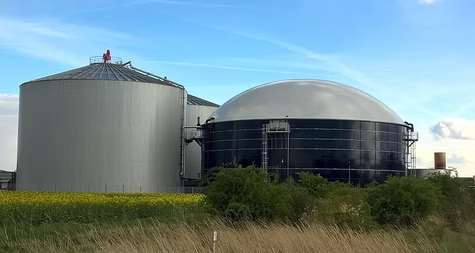
Biogas is produced by the anaerobic digestion of biomass, a process that encourages microorganisms to break down organic material and produce large quantities of gas. As such, biogas is primarily composed of methane (CH4) and carbon dioxide (CO2), with smaller amounts of hydrogen sulphide, water vapour, and other gases.
Methane typically accounts for 50-75% of biogas by volume and is a potent energy source when burned for heat and electricity generation. By capturing methane from organic waste that would otherwise decompose in landfills, biogas technology prevents the release of a potent greenhouse gas into the atmosphere.
Biogas production also yields digestate, an environmentally friendly alternative to chemical fertilisers that can improve soil health and reduce water pollution from runoff.
High initial capital costs for setting up biogas plants, the need for a continuous feedstock supply, and the need to maintain optimal conditions within the digesters for efficient gas production present significant challenges.
Biogas has the potential to be a cost-effective solution, but only when located close to rural or agricultural areas with an abundant supply of organic waste.
Biofuel Explained
Biofuels like bioethanol and biodiesel are produced over a short period of time from biomass. They differ from the very slow natural processes that form fossil fuels.
Bioethanol is produced through the fermentation of carbohydrates in sugar or starch crops such as corn, sugarcane, and wheat. The carbohydrates are broken down into sugars, which yeast then ferments into ethanol and carbon dioxide.
Biodiesel is made through a chemical process known as transesterification, which converts fats or oils, such as vegetable oils, recycled grease, or animal fats, into fatty acid methyl esters and glycerol. They are non-toxic, biodegradable, and sustainable.
Biofuels have been hailed for their potential to replace conventional fossil fuels. The reality, though, is that the land needed to produce biofuels on such a scale would be completely unviable. Massive advancements in its efficiency are necessary before any large-scale switch to biofuels becomes feasible.
Historically, biofuels have been more expensive than fossil fuels, but costs are decreasing as technologies improve and scale up. Production costs for biofuels are also generally higher than for wind or solar energy and require significant land and water resources.
While biofuels are making headway, claims of a breakthrough sustainable aviation fuel are sadly nothing more than misleading and clever greenwashing campaigns. Sadly, lack of supply, high prices, and slow advancements leave us far from greener skies.

Pros & Cons of Bioenergy
PROS -
- Bioenergy provides a solution to the abundant supply of animal manure and food waste, which are major contributors to methane emissions and nitrogen pollution.
- Unlike other renewable sources such as wind and solar, biomass-based energy is reliable and helps ensure energy security because it is not weather-dependent.
- The removal of biomass from pruning and forest maintenance waste helps prevent forest fires.
- Biomass energy production reduces waste that would otherwise be in a landfill. In the U.S., biomass accounts for 60% of combustible municipal solid waste.
CONS -
- Bioenergy is not carbon-neutral. No currently available energy source is. Only sustainably sourced biomass can provide low-carbon energy; otherwise, it merely adds to environmental destruction and biodiversity loss.
- Biomass energy production is only viable on a vast scale. The industry requires expensive, sprawling energy plants, which require millions in investment.
- Biomass plants cost on average $90 per megawatt-hour (MWh). Depending on the scale, the cost of solar energy ranges from $38 to $78 per MWh.
- Bioenergy processes release greenhouse gases and particulate matter into the atmosphere.
- Poorly managed bioenergy can lead to monocropping, deforestation, and massive biodiversity loss.
- Using algae as a biomass source requires large amounts of phosphorus fertilisers to promote its rapid growth. This causes severe damage to wildlife and local water sources.
- Biomass is still much less efficient than other energy sources. In many cases, burning organic material can require more energy than it produces.
Is Bioenergy the Future?
The use of modern bioenergy has increased on average by about 4% annually between 2010 and 2023 and is on an upward trend. Brazil, China, the U.S., India, and Germany are the top-producing bioenergy countries.
While bioenergy is a more sustainable solution than fossil fuels, its low efficiency and land-intensive production make it unlikely to be a significant part of the energy mix without major technological advancements.
It is a common misconception that bioenergy is a net-zero fuel. Burning biomass emits carbon, but the industry counts the biomass's original plant growth as an offset. This manipulates the term "carbon neutral," as plant growth was occurring anyway.
Sustainability criteria can help ensure that only biomass with the lowest carbon impact is used, especially in the Global South, the largest user of bioenergy. Currently, most of the biomass in developing countries is used in unsustainable, inefficient ways, with significant detrimental impacts on human health and the environment.
For now, solar and wind power are much more efficient and cheaper options for renewable energy production. This is not to say that bioenergy does not play a part in the energy transition.
With strict biomass management and significant efficiency improvements, bioenergy can be an important transition fuel on the road to fully decarbonising our energy supply.
Author: Rachael Mellor, 08.02.25 (Updated 04.06.26) licensed under CC BY-SA 4.0
For more information on Bioenergy see below ⬇️
More Resources
Curated Directory & Deep-Dive Resources on Biogas, Biomass & Biofuels
- Biogas 29
- Biomass 77
- Biofuels - the way forward ? 147