
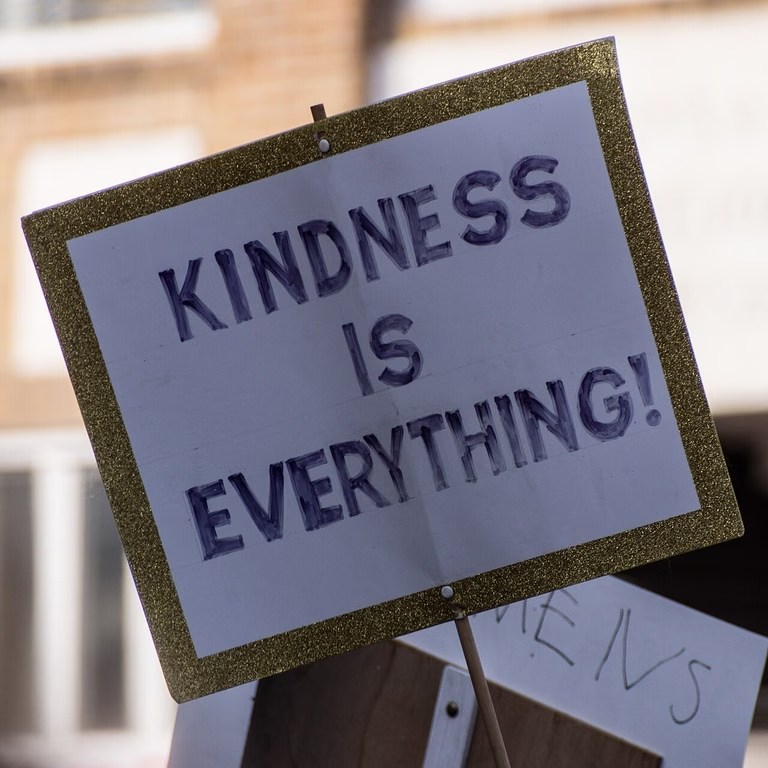
KINDNESS
Discover the power of random acts of kindness. Learn how simple, everyday gestures boost happiness, build stronger communities, and inspire paying it forward.

THE LOST ART OF KINDNESS - Building A More Compassionate & Connected World
In today's busy, fast-paced world, acts of generosity, consideration, and concern for others can seem rare. Our guide to kindness will demonstrate just how easy it is to show kindness, the positive impact it has on others, and how it also benefits our own mental health and wellbeing.
We explore the philosophy, psychology, and religious aspects of kindness and how small acts can make the world a happier place for everyone.
Jump straight to our resources on ➡️ Kindness
*****
General Information
Did you know that it really is better to give than receive? Putting your time, skills, and money into others without expecting praise or reward has been proven to have long-lasting benefits far greater than receiving them ourselves.
We believe in building a culture of kindness in our everyday lives, and that it should also be built into business decisions, government policies, and other institutions. By integrating compassion into our societies, we can reduce discrimination and inequality and improve everyone’s mental wellbeing.
"Kind words can be short and easy to speak, but their echoes are truly endless". - Mother Teresa.
Explore our comprehensive guides on philanthropy, effective altruism, compassion, mindfulness, zen philosophy, volunteering, nonprofit organisations, initiatives to support, charities, and pacifism.
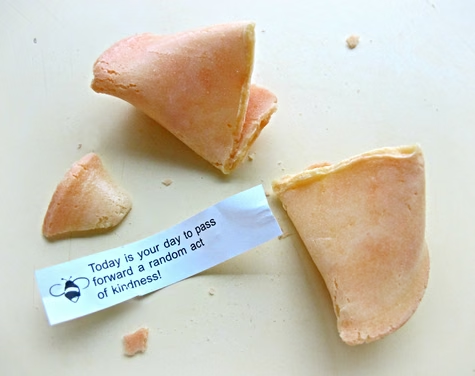
Random Acts Of Kindness Day - February 17
Random acts of kindness are spontaneous gestures that brighten a person's day. Collectively, they help to brighten the world and spread positivity, one small action at a time.
These types of acts are simply moments of genuine goodwill. They create a ripple effect as people naturally pay it forward in whatever way they can.
Examples of random acts of kindness happen every day: paying for a stranger's coffee, offering a sincere compliment, giving up your seat on public transport, picking up litter, or helping someone carry their groceries.
February 17 is our annual reminder that these acts are easy to integrate into our lives year-round. It encourages individuals, schools, and communities to perform thoughtful, unexpected gestures that spread positivity and normalise kindness.
It also reminds us of our responsibility to our shared humanity.
Kindness is contagious. In a world often focused on self-interest, these gestures adjust our mindset, give us hope and optimism, and inspire us to pass it on.
Ways To Participate
- Financial & Small Gifts - Buy a coffee or a meal for someone in need, leave a generous tip, buy flowers for a co-worker or hospital patient, donate to a charity, leave change in a vending machine, or donate goods to a food bank or charity.
- Acts of Service - Return shopping carts for others, help an elderly neighbour with groceries, pick up litter in your community, hold the door for the person behind you, bring lunch to work for a colleague, run an errand for a busy friend, take care of a relative's children to give them a night off, or volunteer at an animal shelter or food bank.
- Positive Words - Leave anonymous uplifting notes on people's cars, send a handwritten thank-you card, call a friend or family member you haven't spoken to in a while, praise a colleague or schoolmate, or even say a few simple ‘good mornings’ to those you pass by.
-
Self-Kindness - Practice mindfulness, write a gratitude list, do a digital detox, spend time outdoors, take a long hot bath, or dedicate time to exercise.
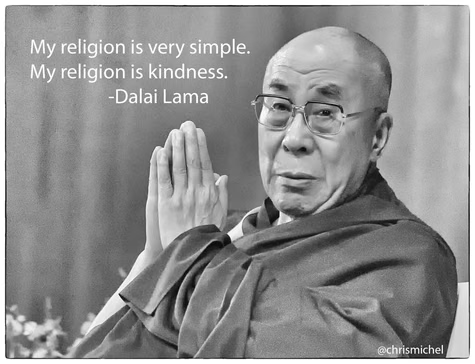
World Kindness Day - November 13
Established in 1998 by the World Kindness Movement, a coalition of international NGOs, this day set out on a mission to build a kinder, more compassionate world.
This global observance day emphasises the need to be kind to one another to thrive peacefully as a society and to highlight good deeds in the community.
Kindness bridges the divides of race, religion, politics, gender, sexual orientation, age, disability, and location and, as such, has the power to change the world.
It is a truly heartwarming event that is celebrated by schools, communities, businesses, and organisations.
Schools play a particularly important role, as kindness is one of the most powerful and useful social-emotional skills. Instilling it into children at a young age teaches them resilience, social connection, emotional health, and empathy.
Schools across the globe celebrate World Kindness Day and partner with local NGOs such as the Be Kind People Project, Save the Children, UNESCO, the Kindness Factory, Life Vest Inside, and Vinspired.
Promoting a culture of kindness in schools curbs bullying, creates a more inclusive environment, supports emotional growth, improves academic outcomes, strengthens students' mental health, builds a sense of belonging, and boosts self-esteem.
Students take part in activities like raising money for important causes by selling lemonade, baking cakes, or making hampers, helping pack groceries at supermarkets, giving out sweets and flowers in the street, making kindness cards, and writing a kindness pledge about their contribution to the day.
Past events have included The Big Hug, the Global Flashmob, kindness concerts, public giveaways, a national text wave, and kindness award ceremonies.

Why Has Kindness Taken A Backseat?
Sadly, in recent decades, kindness has become less and less important in our daily lives.
This can be attributed to a combination of societal and technological factors that have made us increasingly distant from face-to-face human contact, causing qualities such as respect, loyalty, and gratitude to be valued less.
Young people, especially those who grew up with smartphones and iPads, struggle to build empathy as they lack real-life human interactions.
Modern life moves at breakneck speed. Economic pressures, personal deadlines, constant comparison and competition, and digital communication have shifted us toward hyper-individualism and away from community care.
Our environment also causes us to withdraw from society. Living closely packed into urban centres triggers a psychological shield. Coupled with constant fearmongering news cycles, people tend to keep their heads down and keep to themselves.
Technology has taken away the connectedness we once had that created kindness.
Kindness should be seen as a strength, not a weakness. It takes courage to approach others and offer your help or kind words.
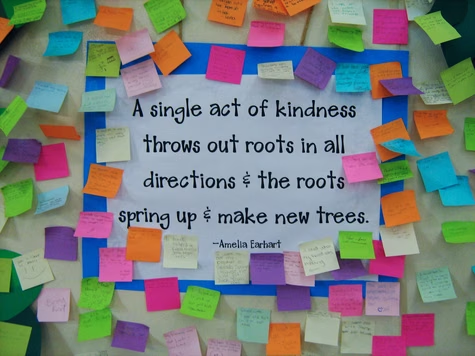
Building A Kinder, Better World
Acts of kindness not only improve our mental and physical well-being but also create contagious ripples of generosity that build stronger communities, hope, and positivity.
Kindness serves as a foundational ethical and spiritual pillar across nearly all major world religions.
It is a core pillar of ethics, human connection, and moral character across all major philosophical branches.
In psychology, kindness is classified under the core character strength of humanity. Researchers have found that it can boost serotonin levels, reduce stress, and even help to lower blood pressure.
If we really want to change the world, the simplest and easiest thing you can do is be kind.
And remember, it is also important to be kind to ourselves as well.
“The smallest act of kindness is worth more than the grandest intention.” - Oscar Wilde.
Author: Rachael Mellor, 06.11.26, licensed under CC BY-SA 4.0
More Resources