
Lebanon - CR
Explore in-depth insights on the Israel-Lebanon conflict, Hezbollah, regional escalation, and the ongoing struggle for peace and stability.

DECADES OF VIOLENCE IN LEBANON - Displacement, Economic Crisis & The Divisive Hezbollah
Following its independence in 1943, Lebanon has repeatedly struggled with internal sectarian divisions, foreign interventions, and devastating regional warfare.
Early pressures, such as the 1958 crisis, were compounded by regional alliances and the presence of the Palestine Liberation Organisation, eventually culminating in the Lebanese Civil War in 1975, which lasted nearly three decades.
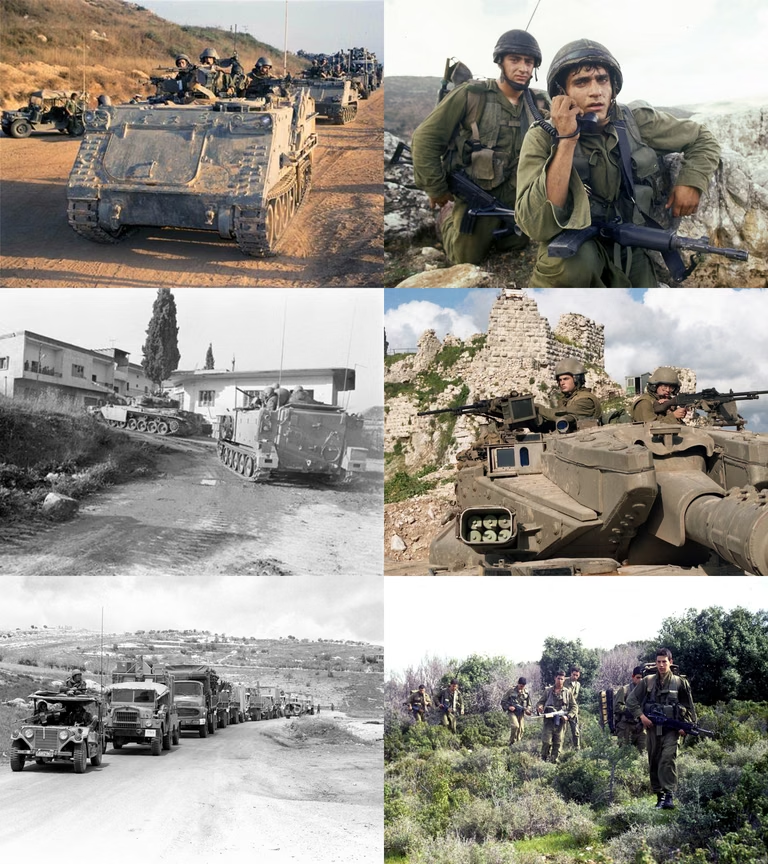
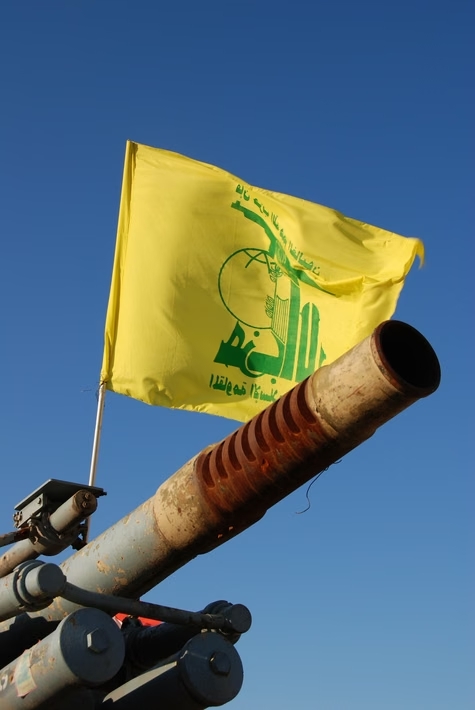
The Iran-backed Shi'a paramilitary group Hezbollah formed to fight Israeli forces following Israel's 1982 invasion. While the ensuing 18-year Israeli occupation ended in the year 2000, tensions persisted, leading to the 34-day 2006 Lebanon War, again, between Israel and Hezbollah.
In recent years, the geopolitical landscape has grown even more volatile. Lebanon entered a severe economic crisis in 2019, which was compounded a year later by the catastrophic Beirut Port Explosion.
Following the outbreak of the Gaza war in October 2023, Lebanon was once again dragged into armed conflict with Israel, escalating further into intense military conflict by 2026. This ongoing warfare has deeply destabilised the nation, resulting in decades of suffering, destruction, and fear.
The dire humanitarian emergency has forced over 1.2 million people from their homes. One in four people in Lebanon now face acute food insecurity. The Lebanese pound has lost roughly 98% of its value, effectively erasing purchasing power and leaving ordinary citizens unable to fulfil basic survival needs.
With nearly two-thirds (66.4%) of Lebanese Shiites supporting a transfer of Hezbollah’s weapons to state control, public support for Hezbollah is fading.
Lebanon's leaders are looking to US-mediated diplomacy to avert yet another war with Israel. While authorities face international pressure to disarm Hezbollah, they lack strong leverage to negotiate Israeli withdrawal.
The United Nations Interim Force in Lebanon (UNIFIL) will end on December 31, 2026 and could further erode security and sovereignty within the country. With a large political, security, and economic vacuum, no plan exists for what or who will fill it.
More Resources