AFGHANISTAN
In-depth resources on Afghanistan's history, the War Against the Taliban, human rights abuses, the plight of Afghan women, corruption, and the opium trade.

AFGHANISTAN - Almost Continuous Conflict For 5 Decades
Discover the complex history of Afghanistan’s nearly 47 years of persistent conflict and explore essential resources to understand its impact on the Afghan people in a country so rich in culture, beauty, diversity, and key natural resources.
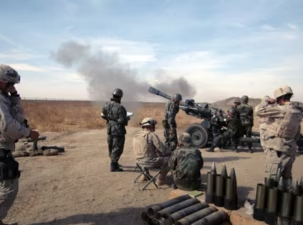
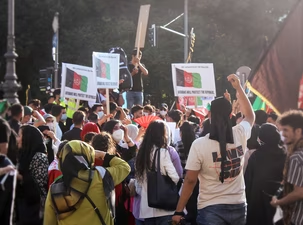
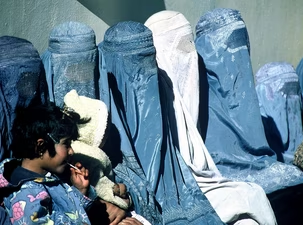
Discover in-depth coverage of crucial historical turning points, including the Soviet war, the 2001 U.S. invasion, and the eventual Taliban takeover that led to a devastating rollback of rights for women and girls.
Decades of foreign interference and fractured, lacklustre peace efforts have failed to establish lasting stability. Deeply entrenched corruption, historical warlords, and the illicit opium trade have devastated the nation's political, economic, and social landscape.
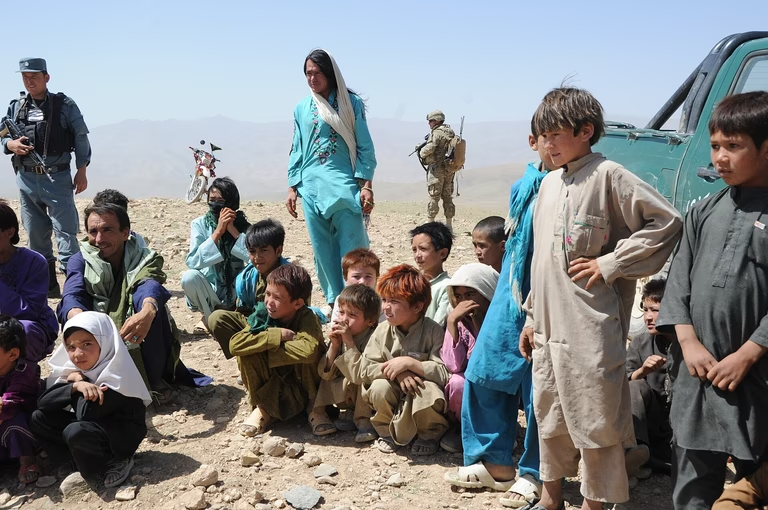
- Over 21.9 million people, nearly 45% of Afghanistan's population, are in urgent need of humanitarian aid.
- An estimated 2 million people have lost their lives across the decades of Soviet occupation, civil war, and the post-2001 conflict.
- During 2001-2021 roughly 66,000 to 73,000 Afghan military and police were killed.
- At its peak, up to 5 million Afghan people were living as refugees (primarily in Pakistan and Iran).
- Over 28% of the population faces acute undernutrition. Rampant food insecurity is exacerbated by collapsed public finances, international sanctions, and severe drought.
- When the Taliban seized power in 2021, the freezing of central bank assets led to an immediate economic contraction of roughly 25%.
- Decades of fighting have left widespread destruction, heavy contamination from unexploded ordnance and landmines, and severe rollbacks in rights and education.
With Better World Info, connect with valuable resources, including investigative reports on the farce of past elections, directories detailing the work of humanitarian NGOs, and critical insights into Afghanistan’s severe economic collapse and pressing human rights issues.
Use this platform to deepen your understanding of the ongoing crisis, advocate for vulnerable populations and refugees, and support international aid efforts dedicated to delivering urgently needed relief.
More Resources
Curated Directory & Deep-Dive Resources on AFGHANISTAN
- News 41
- Peace ? 29
- General Info 60
- Human Rights 56
- CORRUPTION 28
- Afghanistan Conferences 32
- The TALIBAN 164
- Taliban TAKEOVER (2021) 269
- AMERICA's WAR (2001-2021) 1189
- OPIUM TRADE - 93% of the world's opium 30
- Afghan WOMEN 549
- WARLORDS 14
- Russia's War (1979-1989) 10
- Reconstruction 16
- Relief & Aid ? 57
- Afghan "Elections" 129
- NGOs 29
- Economy 14
- Ahmad Shah Massoud 18
- Burhanuddin Rabbani 4
- Humanitarian Crisis 2021-? 91
- Various 60